
Pet Grooming & Nutrition
Duration Up to 3 months
Certifications
Certificate of Studies ESTUDIOS BRITÁNICOS


PET GROOMING & NUTRITION
Welcome to Pet Grooming & Nutrition—where compassionate care, functional nutrition, and professional styling come together!
Behind every vibrant, healthy pet is more than just a quick bath or a basic bowl of food. It is a dedicated professional who understands how to care for an animal from the inside out. True pet care is a balance of science and artistry—combining targeted nutrition that nourishes skin and coat health with expert handling and precise grooming techniques that leave pets looking and feeling their absolute best.
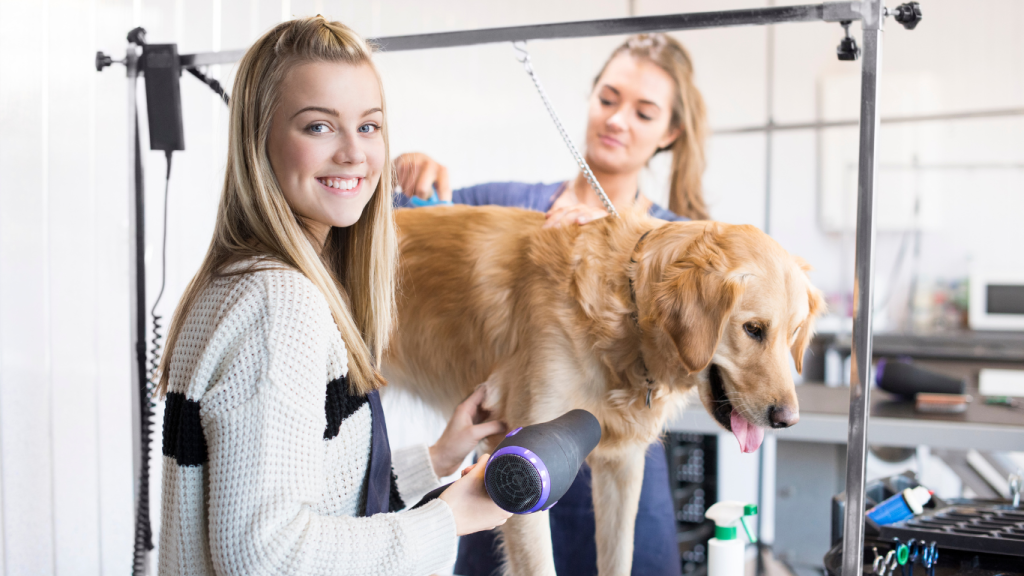
Why choose the British Studies distance learning program ‘Pet Grooming & Nutrition’?
-
Dual-Focus Curriculum (Inside-Out Wellness): Unlike standard programs that focus solely on styling, this course combines hands-on grooming mastery with functional pet nutrition, giving you the expertise to care for an animal’s health both aesthetically and biologically.
- 100% Flexible Distance Learning: Designed to fit around your existing work or personal commitments, the program allows you to complete coursework, video modules, and assignments at your own pace from anywhere.
-
Quality & Professional Standards: The program provides high-quality course content, structured learning modules, and practical standards designed to build learners’ knowledge, skills, and confidence. It prepares learners with relevant, industry-focused knowledge that can strengthen their credibility with clients and prospective employers.
-
Comprehensive Career Preparation: The curriculum covers every stage of professional practice—from anatomy, skin biology, and breed-specific styling to dietary planning, salon safety, and business startup strategies.
-
Versatile Career Opportunities: Completing this qualification prepares you to launch a home-based or mobile salon, work in established veterinary clinics or pet spas, or offer specialized pet nutrition consulting.
In this course, we are pulling back the curtain on the entire world of holistic pet care. Across 30 detailed, hands-on modules, you will gain the practical tools, biological insights, and operational strategies needed to build a successful career or business in the thriving pet industry. From reading skin biology and mastering breed-specific cuts to decoding pet food labels, formulating balanced diets, and navigating client relations, this program provides a complete, step-by-step blueprint.
Whether you dream of opening your own salon, running a mobile grooming business, offering specialized nutritional consulting, or simply elevating the level of care you provide, you are in the right place. Get ready to transform your passion for animals into a rewarding, high-demand profession—let's dive in!
The sections include the following:
Module Overview
Pet grooming and nutrition is much more than giving a dog a quick bath or selecting a commercial bag of kibble. At its heart, professional pet care is the process of transforming basic maintenance into a dedicated, whole-health experience.
A pet grooming and nutrition specialist works behind the scenes to make sure that coats, skin, dietary needs, hygiene, stress levels, and owner expectations are balanced seamlessly. From the initial coat inspection to the final dietary recommendation, the specialist is responsible for keeping the animal safe, comfortable, and thriving.
A healthy, beautifully groomed pet may look effortless to the owner, but that radiant coat and lively energy are usually the result of precise technique and science-backed nourishment.
What Does a Pet Grooming & Nutrition Specialist Actually Do?
A specialist may be responsible for assessing skin and coat conditions, performing breed-specific clips, managing ear and nail hygiene, identifying nutritional deficiencies, formulating balanced meal plans, communicating with pet owners, recommending dietary supplements, maintaining equipment, and responding to anxious animal behaviors.
The role requires both hands-on styling artistry and biological discipline. A specialist might spend one hour sculpting a precise poodle clip and the next analyzing ingredients to manage a dog’s chronic food allergy.
This variety is one of the most exciting aspects of the profession.
Groomer, Pet Stylist, or Certified Pet Nutritionist?
Although these terms are sometimes used interchangeably, they can describe different responsibilities.
A groomer often focuses on fundamental hygiene, bathing, and routine coat maintenance. A pet stylist often focuses on advanced scissor techniques, breed standards, and aesthetic transformations. A pet nutritionist may oversee customized meal formulation, dietary adjustments, health conditions, and overall metabolic wellness.
In smaller businesses or mobile setups, one professional may perform all three functions.
The Professional Specialist’s Mindset
The best specialists understand that their job is not simply to make an animal look good. Their job is to make the pet’s entire body work better from the inside out.
A professional specialist constantly thinks ahead:
What sensitivities could flare up?
What coat product does this specific skin type need?
What dietary adjustments will improve this pet’s long-term health?
What will the animal’s stress level be like during this session?
Key Takeaway
Great pet grooming and nutrition combines hands-on technique, dietary science, clear communication, gentle handling, and calm decision-making.
Module Overview
Mastering the histological and biological architecture of canine and feline integumentary systems is essential for effective grooming and nutritional evaluation. The skin acts as a dynamic immunological barrier, thermoregulatory organ, and neurosensory interface. Understanding cellular turnover, stratum corneum integrity, and follicle dynamics enables professionals to identify metabolic disruptions and prevent iatrogenic skin injury.
Key Concepts Covered:
Dermal Histology & Surface pH: Analyze the thinner epidermal structure of companion animals (3–5 cellular layers vs. 10–15 in humans) and their neutral-to-alkaline skin surface pH (6.2–7.4). Evaluate how human cosmetic products disrupt the acid mantle, predisposing the skin to opportunistic pathogen colonization.
Follicular Architecture & Hair Cycling: Differentiate compound follicular units (containing a primary guard hair surrounded by secondary undercoat hairs) from solitary human hair structures. Examine the endocrinological and environmental regulation of hair growth phases: Anagen (active synthesis), Catagen (involutive transition), Telogen (quiescent resting), and Exogen (active shedding).
Structural Phenotypes & Lipid Dynamics: Assess physiological variances across double coats, non-shedding single coats, wire textures, and hairless breeds, focusing on transepidermal water loss (TEWL) and cutaneous lipid composition.
Key Takeaway
Healthy fur begins at the cellular level; knowing coat anatomy helps prevent damage and pinpoints internal health issues early.
Module Overview
Grooming protocols present intense sensory stimulation that can provoke neuroendocrine stress responses in companion animals. Utilizing low-stress, cooperative care methods minimizes sympathetic nervous system activation, reducing cortisol spikes and defensive behavioral reactions. This module equips professionals with ethological principles to read animal communication and establish a safe environment.
Key Concepts Covered:
Ethology & Stress Signal Interpretation: Identify subtle canine displacement behaviors (yawning, lip-licking, cutaneous shivering, whale eye) and feline agonistic indicators (piloerection, pupil dilation, tail fascial tremors) prior to overt escalation.
Operant Conditioning & Desensitization: Apply classical counter-conditioning, systematic desensitization, and positive reinforcement to acclimate animals to tactile pressure, auditory frequency from dryers, and mechanical vibrations.
Biomedical Ergonomics & Safe Restraint: Implement supportive positioning mechanics, belly bands, air collars, and feline wraps to control physical movement without compromising airway patency, vascular return, or joint stability.
Key Takeaway
Patience and behavioral reading turn potential power struggles into safe, calm, and efficient grooming sessions.
Module Overview
Mechanical precision in pet styling relies on understanding metallurgical properties, blade geometry, and equipment dynamics. Using uncalibrated equipment increases friction, operational heat, and mechanical drag, causing cutaneous trauma and repetitive strain injuries (RSI) in operators. This module covers mechanical maintenance, tool calibration, and ergonomic design principles.
Key Concepts Covered:
Clipper Motor Mechanics & Blade Physics: Evaluate rotary, magnetic, and pivot motor platforms alongside detachable A5 blade systems. Examine cutting lengths, tooth pitch, and functional differences between skip-tooth, full-tooth, and attachment combs.
Metallurgy & Shear Metallurgy: Compare high-carbon stainless steel, cobalt alloys, and titanium coatings. Analyze edge geometries (convex vs. bevel) and operational applications for straight, curved, thinning, and chunker shears.
Tribology, Sterilization & Thermal Monitoring: Implement daily cleaning routines, blade washes, alignment checks, and thermal monitoring to prevent friction burns and cross-contamination.
Key Takeaway
Well-maintained tools extend equipment lifespan, improve finish quality, and keep pets safe on the table.
Module Overview
Commercial grooming environments house diverse biological populations, making strict infection control protocols imperative. Pathogens such as Microsporum canis, Canine Parvovirus, Bordetella bronchiseptica, and external parasites spread rapidly via fomites, direct contact, and aerosols if sanitation standards are compromised.
Key Concepts Covered:
Chemical Disinfection & Contact Kinetics: Master the chemical mechanisms of quaternary ammonium compounds, accelerated hydrogen peroxide, and phenolic disinfectants. Differentiate cleaning, sanitizing, and sterilizing while observing strict contact wet-times.
Biosecurity & Parasite Containment: Establish isolation protocols for animals exhibiting clinical signs of contagious dermatopathies, respiratory illness, or heavy vector infestations.
Occupational Safety & Environmental Ergonomics: Design compliant workspaces using adjustable electric tables, hydraulic baths, anti-fatigue matting, and proper ventilation to mitigate inhalation of aerosolized dander and pathogens.
Key Takeaway
Prioritizing hygiene builds client trust and protects the health of every pet in your care
Module Overview
Precision styling requires an flawlessly clean, fully straightened, and deshedded coat. Residual sebum, particulate debris, matting, or structural moisture distorts coat alignment, blunts shear edges, and prevents uniform clipper glides. Prep work establishes the mechanical baseline for all subsequent styling procedures.
Key Concepts Covered:
Surfactant Chemistry & Cleansing Dynamics: Understand amphoteric, anionic, and non-ionic surfactants. Calculate precise dilution ratios based on coat lipid concentration and water hardness to preserve skin integrity.
Mechanical Dematting & Line-Brushing: Master systematic line-brushing using slicker brushes and metal Greyhound combs. Establish ethical boundaries differentiating painful dematting from humane clip-offs based on matting severity scores.
Thermodynamic Drying Protocols: Utilize high-velocity velocity dryers to blast out water and loose undercoat. Enforce safe temperature limits with stand and cage dryers to prevent thermal stress and hyperthermia.
Key Takeaway
Precision cuts require exceptional preparation; never trim a coat that isn’t clean, dried, and brushed through.
Hygiene maintenance directly impacts long-term orthopedic stability, dermatological health, and infection control. Overgrown ungual processes alter digit posture and biomechanics, unmaintained auditory canals invite microbial overgrowth, and soiled perianal zones cause localized dermatitis.
Key Concepts Covered:
Ungual Neurovascular Anatomy & Reduction: Map the vascular quick within clear and pigmented claws. Apply manual shears and rotary abrasive tools to recede the quick safely while retaining proper paw posture.
Otological Assessment & Hygiene: Evaluate normal cerumen production versus clinical signs of Otitis Externa. Apply gentle cleansing solutions, analyze ear hair plucking protocols, and identify parameters for veterinary referral.
Sanitary & Podiatry Trimming Mechanics: Execute precise blade work (#10 blade) across sensitive inguinal, vulvar, scrotal, and perianal zones, alongside interdigital pad clearing.
Key Takeaway
Hygienic maintenance improves daily mobility, reduces infection risks, and keeps pets comfortable between full grooms.
Module Overview
Breeds within the Sporting and Hound groups were selectively developed for athletic endurance, field retrieval, and game tracking. Their breed standards emphasize functional coat characteristics designed to withstand harsh vegetation and moisture. Styling these breeds requires carding, hand-stripping, and subtle scissoring to accentuate their working conformation.
Key Concepts Covered:
Carding & Undercoat Extraction: Utilize stripping knives, pumice stones, and carding tools to remove dead undercoat from Spaniels, Retrievers, and Setters without damaging primary guard hairs.
Pattern Construction & Structural Balance: Sculpt classic profile lines, balancing neck, chest, and underline furnishings while maintaining an athletic silhouette.
Hand-Stripping Wire Hounds: Master manual hand-stripping mechanics on wire-haired Hounds to preserve coat density, natural harsh texture, and rich pigmentation.
Key Takeaway
Understanding breed history helps preserve traditional coat function while delivering clean, athletic profiles.
Module Overview
Terrier and Working breeds feature distinct silhouettes characterized by sturdy bone structure, square body proportions, crisp geometric headpieces, and harsh protective coats. Styling requires clear structural knowledge, crisp transition lines, and tailored detail work around facial furnishings.
Key Concepts Covered:
Terrier Patterns & Head Structure: Construct iconic Schnauzer, Airedale, and Scottish Terrier patterns. Sculpt parallel head planes, brick-shaped beards, triangular eyebrows, and clean ears.
Working Breed Coat Management: Execute undercoat removal, pad clearing, and sanitary shaping for heavy double-coated breeds (Newfoundlands, Bernese Mountain Dogs, Samoyeds).
Clipper Blending & Furnishing Integration: Master free-hand clipper techniques and chunker shear work to create seamless transitions between short jackets and dense leg furnishings.
Key Takeaway
Precision clipper work and clean lines showcase the balanced symmetry of these distinct breeds.
Module Overview
The Toy and Non-Sporting groups contain popular, high-maintenance breeds characterized by continuously growing single coats or dense, curly hair. These breeds demand advanced hand-scissoring skills, spatial symmetry, and precise balance to execute both traditional breed standards and modern commercial trims.
Key Concepts Covered:
Poodle Morphology & Hand-Scissoring: Master hand-scissoring mechanics on dense, woolly coats. Execute classic clips (Lamb, Sporting) alongside clean face, clean feet, and bevel shaping.
Bichon Frise & Spherical Geometry: Sculpt the spherical head, cylindrical leg posts, and balanced crest that define the Bichon Frise profile using curved and straight shears.
Drop-Coat Maintenance & Double-Coat Preservation: Maintain floor-length coats on Shih Tzus and Maltese, while applying safe outline scissoring on Pomeranians without triggering Post-Grooming Alopecia.
Key Takeaway
High-end scissor skills convert standard trims into custom, polished looks that pet owners appreciate.
Module Overview
Feline skin is uniquely delicate, elastic, and susceptible to tearing, while feline stress can trigger rapid cardiac or respiratory distress. Feline grooming requires specialized handling, waterless alternatives, and short, highly focused sessions.
Key Concepts Covered:
Feline Cutaneous Physiology & Stress Physiology: Evaluate skin elasticity, thin epidermal layering, and feline stress indicators. Recognize clinical parameters for halting grooming procedures to protect animal health.
Waterless Hygiene vs. Immersion Bathing: Assess when waterless shampoos, degreasing pastes, and high-velocity deshedding are preferred over full-immersion baths for anxious or elderly cats.
Lion Cut Execution & Safety Standards: Execute precise Lion Cuts and sanitary trims using a dedicated #10 blade, maintaining skin tension to prevent tears or razor burn.
Key Takeaway
Respecting feline limits keeps sessions short, safe, and productive without overwhelming the cat.
Module Overview
Mixed-breed dogs—particularly Doodle designer crosses—represent a significant proportion of modern salon clients. Their variable coat textures present unique grooming challenges. Additionally, Asian Fusion styling introduces expressive aesthetic options that emphasize compact, puppy-like facial features.
Key Concepts Covered:
Doodle Coat Triage & Owner Education: Manage combination coats ranging from fleece to tight woolly curls, establishing realistic home-maintenance plans for long “teddy bear” styles.
Asian Fusion Principles: Master Asian Fusion techniques, including compact body shaping, flared bell-bottom legs, doughnut muzzles, high ear placements, and teddy bear head sculpting.
Creative Aesthetics & Product Safety: Apply non-toxic, pet-safe temporary dyes, chalks, and accessories while adhering to strict safety guidelines.
Key Takeaway
Customizing styles for mixed breeds allows for creative expression while meeting owner preferences.
Module Overview
Grooming specialists regularly inspect the entire cutaneous surface of companion animals, placing them in a prime position to identify early signs of dermatological disease. Recognizing pathological lesions enables professionals to apply targeted medicated baths and provide timely veterinary referrals.
Key Concepts Covered:
Dermatological Pathologies: Identify clinical signs of Bacterial Pyoderma, Malassezia Dermatitis, Flea Allergy Dermatitis (FAD), Demodectic/Sarcoptic Mange, and Hot Spots.
Therapeutic Formulations & Contact Kinetics: Apply active ingredients including Chlorhexidine, Ketoconazole, Miconazole, Coal Tar, and Colloidal Oatmeal, enforcing mandatory 10-to-15-minute contact times for absorption.
Veterinary Referral Protocols: Document non-diagnostic clinical observations for owners to take to their veterinarian, building professional cross-disciplinary relationships.
Key Takeaway
Medicated bathing relieves skin discomfort and reinforces your role as an attentive pet care professional.
Module Overview
Geriatric pets and animals with chronic degenerative conditions require structural adaptations to standard grooming procedures. Prioritizing comfort, stability, and speed over cosmetic perfection reduces physical pain and cardiovascular strain during visits.
Key Concepts Covered:
Physical Ergonomics for Mobility Impairments: Utilize belly slings, padded neck supports, floor-level workstations, and high-traction surface mats to accommodate osteoarthritis, hip dysplasia, and neurological deficits.
Express & Modular Workflows: Restructure appointments into shorter, multi-stage visits to minimize table time and prevent physical exhaustion.
Compassionate Client Communication: Guide owners through discussions regarding age-related decline, setting realistic aesthetic expectations, and prioritizing comfort clips over complex breed trims.
Key Takeaway
With special-needs pets, comfort and safety always take priority over cosmetic perfection.
Module Overview
Cutaneous health and coat condition depend directly on systemic metabolic health. This module explores comparative digestive anatomy, macronutrient digestion, and bio-energetic pathways in canines (adaptive omnivores/carnivores) and felines (obligate carnivores).
Key Concepts Covered:
Comparative Gastrointestinal Physiology: Contrast the short, simple digestive tract and obligate carnivorous needs of cats with the metabolic flexibility and starch-utilization capabilities of canines.
Macronutrient Metabolism & Bioavailability: Evaluate the biological value of animal proteins (essential amino acids like Taurine, Arginine, Lysine), lipid sources (concentrated energy and fatty acid transport), and digestible carbohydrates.
Micronutrient Homeostasis: Examine the metabolic roles of fat-soluble (A, D, E, K) and water-soluble (B-complex) vitamins alongside essential macrominerals (Calcium, Phosphorus) and trace minerals (Zinc, Iron, Copper).
Key Takeaway
Proper nutrition supports coat quality, digestion, and long-term vitality from the inside out.
Module Overview
Commercial pet food packaging frequently relies on persuasive marketing claims that obscure actual nutritional value. Analyzing labeling frameworks enables professionals to evaluate formulations objectively based on real nutritional merit.
Key Concepts Covered:
Regulatory Compliance & AAFCO Standards: Interpret AAFCO nutritional adequacy statements, FEDIAF guidelines, and the difference between “Formulated to Meet” vs. “Animal Feeding Tests.”
Dry Matter Basis (DMB) Conversions: Convert guaranteed analysis percentages from wet-weight formats to Dry Matter Basis ($DMB = \frac{\text{Nutrient \%}}{100 – \text{Moisture \%}} \times 100$) to compare protein, fat, and carbohydrate levels accurately across different food types.
Ingredient Panel Analysis: Identify ingredient splitting tactics, vague protein terminology, synthetic preservatives (BHA, BHT, Ethoxyquin), and artificial dyes.
Key Takeaway
Reading beyond front-label claims helps you evaluate pet food formulations based on real ingredients.
Module Overview
Fresh, raw, and gently cooked feeding models offer high moisture content and un-denatured nutrients, but require strict balancing to prevent severe metabolic deficiencies. This module covers fresh food mechanics, formulation rules, and crucial hygiene safety.
Key Concepts Covered:
Fresh Feeding Frameworks: Compare BARF (Biologically Appropriate Raw Food: 80% muscle meat, 10% bone, 10% organ, 10% plant matter) with Prey Model Raw (80/10/10 without plant material).
Micronutrient Balancing in Home-Prepared Diets: Identify common nutrient gaps in unsupplemented fresh diets (Calcium:Phosphorus imbalances, Vitamin E deficiencies, trace mineral deficits) and select appropriate premixes.
Pathogen Control & Food Safety: Implement strict food safety guidelines to prevent bacterial contamination (Salmonella, Listeria) during storage, handling, and preparation.
Key Takeaway
Raw and fresh diets require strict nutritional balancing and clean prep to keep pets and families safe.
Module Overview
Dull coats, brittle hair follicles, excessive shedding, and persistent dandruff are often external indicators of nutritional gaps or chronic dehydration. By adjusting dietary fatty acid profiles, micro-minerals, and moisture intake, you can nourish skin health and restore coat shine from the inside out.
Key Concepts Covered:
Essential Fatty Acid (EFA) Biochemistry: Balance Omega-6 (Linoleic Acid for epidermal barrier integrity) and Omega-3 (EPA/DHA from marine oils for anti-inflammatory effects) fatty acids to modulate skin health.
Dermatological Micronutrients: Analyze the roles of Zinc (keratinization and cellular division), Biotin, Vitamin E, and Vitamin A in sebum regulation and coat luster.
Dietary Moisture & Hydration Kinetics: Explore the renal and dermatological benefits of high-moisture feeding using wet foods, bone broths, and fresh toppers to support hydration.
Key Takeaway
Targeted essential fatty acids and hydration improve coat shine and support skin health.
Module Overview
Obesity is a major nutritional disorder in companion animals, exacerbating osteoarthritis, Diabetes Mellitus, cardiovascular strain, and reduced life expectancy. Calculating caloric requirements objectively enables professionals to design effective weight management plans.
Key Concepts Covered:
Body & Muscle Condition Scoring: Master standardized 9-point Body Condition Score (BCS) and Muscle Condition Score (MCS) visual and tactile evaluation systems.
Bioenergetic Calculations: Calculate Resting Energy Requirements ($RER = 70 \times [\text{body weight in kg}]^{0.75}$) and adjust for Daily Energy Requirements (DER) based on activity and physiological state.
Weight Reduction Protocols: Design weight-loss programs using high-protein, high-fiber, moderate-fat diets that preserve lean muscle mass while targeting a safe loss rate of 1–2% of total body weight per week.
Key Takeaway
Maintaining a lean body weight reduces joint strain, lowers disease risk, and supports long-term mobility.
Module Overview
Nutritional requirements change dynamic over an animal’s lifespan. A rapidly growing large-breed puppy requires precise calcium-to-phosphorus ratios to prevent skeletal deformities, while an aging senior pet needs easily digestible proteins and joint support compounds.
Key Concepts Covered:
Developmental Growth Diets: Formulate growth diets for puppies and kittens. Manage calcium density ($1.0–1.5\%$ DMB) and energy intake in large-breed puppies to prevent Developmental Orthopedic Disorders (DOD).
Adult Maintenance & Working Physiology: Adjust energy density and protein-to-fat ratios to match varying lifestyle demands, from sedentary pets to active working dogs.
Geriatric Metabolic Support: Address age-related changes including reduced digestive efficiency, muscle loss (sarcopenia), and altered renal function by optimizing protein quality, fiber, and antioxidant levels.
Key Takeaway
Adjusting diets for each life stage supports growth, maintains muscle, and keeps aging pets comfortable.
Module Overview
Adverse food reactions present a complex challenge in modern pet care, frequently manifesting as chronic ear infections, obsessive paw-licking, gastrointestinal distress, and generalized skin inflammation. Distinguishing true immune-mediated food allergies from non-immunological food intolerances is essential for developing effective, long-term dietary solutions.
Key Concepts Covered:
Immune Hypersensitivity vs. Metabolic Intolerance: Differentiate Type I IgE-mediated immune reactions from non-immunological food intolerances caused by pharmacological additives or digestive limitations.
Novel & Hydrolyzed Proteins: Select novel protein sources (Venison, Kangaroo, Rabbit) or hydrolyzed diets (where molecular weights fall below 10,000 Daltons) to prevent immune system recognition.
Strict Elimination Trial Protocols: Guide clients through strict 8-to-12-week elimination trials, eliminating all unapproved treats, flavored medications, and table scraps to isolate true allergen triggers.
Key Takeaway
Systematic elimination trials pinpoint allergen triggers and help restore skin and digestive health.
Module Overview
The gastrointestinal microbiome is a central driver of immune regulation, systemic inflammation, nutrient absorption, and skin barrier health (the gut-skin axis). Disruption of this delicate ecosystem (dysbiosis) leads to chronic digestive issues, compromised coat quality, and weakened immunity. Learn strategies to optimize digestion and nourish beneficial gut flora.
Key Concepts Covered:
The Gut-Skin Axis & Dysbiosis: Examine how intestinal hyperpermeability (“leaky gut”) allows bacterial endotoxins into systemic circulation, provoking secondary dermatological inflammation.
Prebiotics, Probiotics & Postbiotics: Evaluate strain-specific beneficial bacteria (Enterococcus faecium, Lactobacillus spp.), prebiotic fermentable fibers (inulin, FOS), and postbiotic metabolites for digestive support.
Acute GI Stabilization: Implement bland dietary protocols (novel lean proteins, cooked pumpkin, slippery elm) to soothe acute digestive flare-ups and stabilize stool quality.
Key Takeaway
A balanced gut microbiome supports smooth digestion, strong immunity, and healthy skin.
Module Overview
While a balanced base diet provides essential baseline nutrition, adding targeted functional supplements allows you to address individual health concerns, support joint health, calm anxiety, and boost vitality. This module covers evidence-based supplementation, safety margins, and potential drug-supplement interactions.
Key Concepts Covered:
Chondroprotective Agents: Evaluate the clinical efficacy of Glucosamine HCl, Chondroitin Sulfate, MSM, Green-Lipped Mussel, and Type II Collagen in supporting joint health and cartilage preservation.
Phytotherapy & Calming Compounds: Examine adaptogens and natural calming aids (L-Theanine, Chamomile, Valerian Root, Ashwagandha, full-spectrum hemp extracts/CBD), focusing on safety margins and regulatory compliance.
Functional Whole-Food Additives: Incorporate organic kelp, medicinal mushrooms (Reishi, Turkey Tail), spirulina, and fermented toppers to enhance baseline nutrition.
Key Takeaway
Targeted supplements enhance daily nutrition when used alongside balanced base diets.
Module Overview
Translating technical expertise into practical client recommendations requires structured consultation methods and clear communication skills. Communicating health findings empathetically empowers owners to adopt improved care habits at home.
Key Concepts Covered:
Systematic History Taking: Conduct thorough intake interviews, documenting dietary histories, primary foods, treats, table scraps, physical activity, and medical background.
Empathetic Communication Strategies: Master diplomatic approaches for discussing sensitive topics—such as pet obesity, severe matting, or poor dietary choices—without alienating clients.
Custom Action Plans: Formulate clear, written home-care recommendations and diet transition schedules that clients can follow easily.
Key Takeaway
Clear communication turns expert insights into effective home care habits for pet owners.
Module Overview
Combining professional grooming services with specialized nutritional guidance creates a comprehensive care model that sets your practice apart. Packaging these services into unified offerings boosts client retention and builds your reputation as a well-rounded pet wellness expert.
Key Concepts Covered:
Integrating Wellness Assessments: Incorporate coat evaluations, skin scoring, weight checks, and basic dietary reviews into every routine grooming appointment.
Membership & Subscription Models: Bundle routine grooming, coat treatments, and monthly nutritional check-ins into recurring subscription plans that secure steady business revenue.
Curated Retail Management: Select and stock high-quality therapeutic shampoos, grooming tools, functional supplements, and fresh food options in your reception area.
Key Takeaway
Integrating grooming with nutritional advice provides well-rounded pet care and builds client loyalty.
Module Overview
Efficient operational systems keep your business organized, reduce stress on animals, and preserve your profit margins. Compare storefront salons, house-call services, and mobile grooming vans to build an efficient daily schedule.
Key Concepts Covered:
Capacity & Stress-Free Scheduling: Space out appointments based on pet size, coat complexity, and temperament rather than simple hourly slots to maintain a calm salon atmosphere.
Business Model Financials: Compare overhead costs, vehicle maintenance, licensing requirements, and profit margins across storefront salons, house-call services, and mobile vans.
Mobile Unit Logistics: Manage onboard power systems, water tanks, gray-water disposal, and route optimization for mobile grooming setups.
Key Takeaway
Smart scheduling and route planning increase daily capacity while keeping handling calm and unhurried.
Toggle ContentModule Overview
Setting appropriate service rates ensures your business covers its operating costs and remains profitable over time. Pricing structures should accurately account for labor time, specialized skills, equipment maintenance, and product consumption.
Key Concepts Covered:
Cost Accounting & Overhead Analysis: Calculate true hourly operating costs by factoring in rent, utilities, insurance, sharp care, product consumption, software fees, and labor expenses.
Value-Based & Specialty Pricing: Move away from low flat rates. Implement base prices scaled by breed and weight, alongside transparent fees for matting removal, special handling, and medicated baths.
Communicating Rate Adjustments: Implement price updates professionally, framing increases around service quality, continuous education, and rising operational expenses.
Key Takeaway
Pricing based on actual expenses and value ensures long-term profitability and prevents burnout.
Module Overview
Attracting and retaining dedicated pet owners takes clear branding, quality social media content, and excellent client communication. Building a recognizable brand image and showcasing your expertise online turns casual first-time visitors into loyal, long-term clients.
Key Concepts Covered:
Visual Portfolio & Digital Marketing: Produce clean before-and-after imagery and video content that showcases handling care, scissor precision, and coat transformations.
Local SEO & Reputation Management: Optimize Google Business profiles, local search presence, and automated review collection systems to build strong community trust.
Automated Retention Workflows: Set up automated booking reminders and recurring appointment schedules (4, 6, or 8 weeks) to secure predictable year-round revenue.
Key Takeaway
Consistent branding and proactive rebooking turn single visits into long-term client relationships.
Module Overview
Working with companion animals carries inherent operational risks. Maintaining comprehensive legal agreements, proper insurance coverage, and first-aid readiness protects both the animals in your care and your business liability.
Key Concepts Covered:
Pet First Aid & CPR Protocols: Respond swiftly to acute medical emergencies—including choking, heat stroke, severe lacerations, bloat (GDV), seizures, and cardiac arrest—prioritizing stabilization before transport to a veterinary clinic.
Legal Waivers & Client Agreements: Draft clear intake agreements, matted coat shave-release waivers, veterinary care authorization forms, and senior pet liability releases.
Commercial Insurance Portfolio: Secure specialized insurance policies, including Professional Liability, General Commercial Liability, and Animal Care, Custody, or Control (CCC) coverage.
Key Takeaway
Proper insurance, clear waivers, and emergency training protect pets and your business when incidents happen.
Module Overview
Congratulations on reaching the final stage of the Pet Grooming & Nutrition program. This completion module integrates everything you have learned—from skin histology, breed-specific styling, and safety protocols to advanced dietary formulation and business management. Through a real-world practical exercise and a comprehensive capstone project, you will demonstrate your ability to assess a pet holistically and design a complete, customized grooming and nutritional care plan.
Key Concepts Covered:
Holistic Case Synthesis: Combine physical, behavioral, and nutritional assessments into a unified, actionable pet care strategy.
Client Consultation & Plan Delivery: Practice presenting complex technical findings—such as ingredient analysis, skin condition evaluations, and style recommendations—to pet owners in a clear, professional manner.
Continuous Education & Career Roadmap: Establish a personalized professional development plan, including target certifications (e.g., Master Stylist, CFMG, Certified Pet Nutritionist) and sustainable daily work habits to support long-term career growth.
PRACTICAL COMPLETION ACTIVITY & CAPSTONE PROJECT
To complete your training, execute the following two-part activity designed to simulate a real-world client consultation and full-service execution.
Part 1: The Dual-Focus Client Case Study
Select a dog or cat (either a client pet or a personal pet) and complete a full Grooming & Nutritional Assessment Profile:
Systematic Physical & Skin Intake:
Record age, breed, weight, and evaluate Body Condition Score (BCS 1–9) and Muscle Condition Score (MCS).
Perform a full coat and skin audit (check for matting, dryness, sebum levels, hotspots, or external parasites).
Nutritional & Label Audit:
Document the pet’s current diet (brand, food type, daily portion, treats, and supplements).
Convert the food’s Guaranteed Analysis to a Dry Matter Basis (DMB) to calculate actual protein, fat, and carbohydrate levels.
Identify any potential ingredient gaps, vague fillers, or allergen triggers relative to the pet’s skin condition.
Formulate a Custom Wellness Plan:
Styling & Grooming Plan: Choose the appropriate prep routine, blade/scissor choices, equipment, and handling strategy tailored to the pet’s coat type and temperament.
Nutritional Recommendation: Design a targeted dietary adjustment (e.g., introducing specific Omega-3 EFAs for skin barrier support, adjusting daily caloric intake for weight management, or transitioning to a novel/fresh protein option).
Part 2: Practical Execution & Reflection
Execute the Grooming Session: Perform the bathing, drying, brush-out, hygiene trims, and full style following all ergonomic, safety, and stress-reduction protocols.
Client Hand-Off Presentation: Draft a 1-page Client Consultation Summary explaining your grooming findings, the maintenance schedule (4, 6, or 8 weeks), and your clear, step-by-step nutritional guidance for the owner.
Key Takeaway
Completing this capstone project validates your mastery of both grooming mechanics and nutritional science, marking your official transition from student to a fully qualified, holistic pet care specialist.
As a pet groomer and pet nutritionist, you have the opportunity to work in various settings within the pet care industry. Your expertise in pet grooming and nutrition enables you to support animal well-being and help pet owners provide the best possible care for their pets.
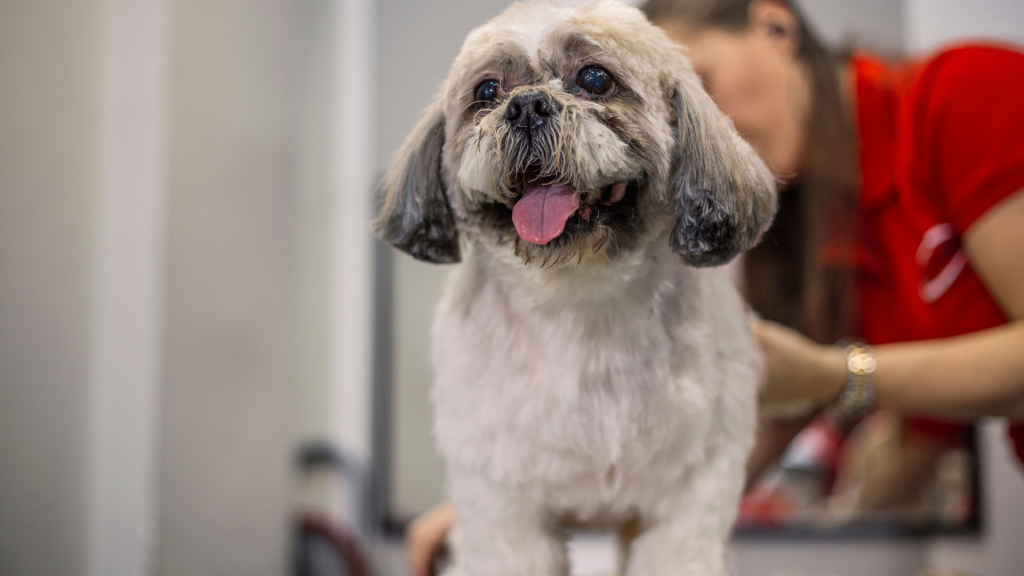
Role of a Pet Groomer and Nutritionist
As a Pet Groomer and Nutritionist, your role involves caring for pets’ physical appearance, comfort, and overall well-being. Your responsibilities may include providing professional grooming services, recommending suitable pet foods, assessing basic nutritional needs, and educating pet owners about proper feeding, hygiene, and everyday care practices.
You may also help pet owners recognize common signs that could require veterinary attention and provide appropriate guidance within your professional scope. By combining grooming expertise with nutritional knowledge, your work supports healthier, happier pets while giving owners practical knowledge and confidence in caring for their companions.
As a pet nutritionist, you may help owners understand their pet’s nutritional requirements based on factors such as age, size, breed, activity level, lifestyle, and specific dietary needs. This can include discussing appropriate food choices, feeding routines, portion considerations, hydration, treats, and common nutritional concerns. Recommendations should be based on reliable nutritional information and, when necessary, coordinated with a veterinarian, particularly for pets with medical conditions or specialized dietary requirements.
An important part of the role is also educating and communicating with pet owners. You may explain grooming routines, home-care practices, feeding habits, coat maintenance, dental hygiene, parasite prevention, and other aspects of responsible pet ownership in a clear and practical way. Building trust with owners is essential because pets rely on them for consistent care between professional appointments.
The role also requires patience, empathy, attention to detail, and safe handling skills. Every pet has a different temperament and comfort level, so a professional must learn to recognize signs of fear, anxiety, discomfort, or stress and adjust their approach accordingly.
Ultimately, a Pet Groomer and Nutritionist helps create a more complete approach to pet care by combining professional grooming, nutritional awareness, observation, education, and responsible communication. Your work can help pets remain clean, comfortable, well cared for, and supported in their everyday health and well-being.

Join us today and become a trusted partner to pets and their owners—where every wag of a tail is a testament to your expertise.
Sign up today and transform your career!
Don’t miss the chance to turn your passion for pet care into a profession. Your journey to becoming a skilled pet groomer and nutrition consultant in the world of small animal care starts here. Contact us today to learn more about our program and embark on a training journey filled with exciting possibilities in the field of pet health and well-being.

Start Your Enrollment & Secure Your Spot
 Greek
 English
 Spanish
 German
 French
 Romanian
 Italian